Sinakol is a traditional sticky rice delicacy from Alimodian, Iloilo, popular in Barangay Taban–Manguining and surrounding areas, where it has been made since before World War II. The snack is prepared using glutinous rice, coconut, muscovado and white sugar, and water. It is steamed in a bamboo-matted cauldron then formed into soft round balls, and finally wrapped in banana leaves. While the COVID-19 pandemic significantly impacted production and sales, Sinakol remains closely tied to cultural practices such as All Saints’ Day, Lenten seasons, and local festivals. Efforts to safeguard this practice include non-formal transmission, documentation, and promotion by local and provincial institutions, making sure that Sinakol remains a living part of Alimodian’s intangible heritage.
Domain:
Location/s:
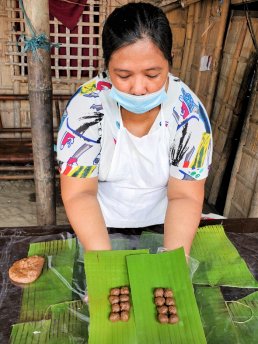
Photo Credit/s:
Alimodian Tourism Office, 2024
Mappers:
Gilbert Golez Marin, Eric Abalajon
Tags:
Alimodian Iloilo, All Saints' Day food, banana leaf wrapping, , coconut-based delicacy, Cultural Preservation, Filipino delicacy, food documentation efforts, glutinous rice recipe, heritage snack, Iloilo food culture, intangible heritage, Lenten season traditions, local food practices, muscovado sugar, non-formal knowledge transfer, pandemic food impact, Philippine festivals, pre-WWII food tradition, provincial culinary tradition, rural Filipino cuisine, Sinakol, steamed rice balls, sticky rice snack, traditional Filipino sweets
Want to know more?
Inquire about this specific heritage by filling up the form below.
We will get back to you with an answer as soon as we can.