Pagmama, or betel nut chewing, is a traditional practice in the rural areas of Valderrama, Panay, and neighboring provinces. This is commonly practiced by elders and younger generations who imitate the practice. The process involves preparing ingredients such as betel nut, apog (lime), tobacco, and buyo leaves, which are then chewed together to produce a red-colored saliva. This practice is known to serve various purposes, including socialization, stress relief, and as a folk remedy for ailments like toothaches and stomachaches. Despite its perceived health benefits, the practice is becoming less popular among the younger generation due to concerns over aesthetics, especially over stained teeth.
Domain:
Location/s:
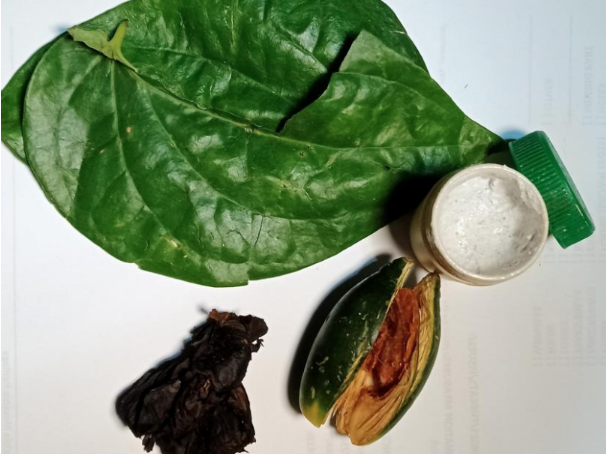
Photo Credit/s:
Cultural Mappers of Antique, 2024
Mappers:
MICHELLE P. PESAYCO,DANILO C. SONGCOG
Tags:
aesthetic concerns in betel nut chewing, apog lime, betel nut and oral health, betel nut chewing, betel nut preparation, buyo leaves, changes in cultural practices, cultural practice among younger generations, decline of betel nut practice, Filipino elders’ traditions, Filipino indigenous practices, Filipino traditional health practices, folk remedy for stomachaches, folk remedy for toothaches, generational differences in cultural practices, generational transmission of customs, health benefits of betel nut, Pagmama, Panay Island traditions, red-colored saliva, rural Valderrama Panay, , , stress relief with betel nut, tobacco chewing, traditional Filipino practice, traditional folk remedies
Want to know more?
Inquire about this specific heritage by filling up the form below.
We will get back to you with an answer as soon as we can.