The Uson is a native crustacean, also known as Mud lobster,, commonly found in mangrove swamps and nipa areas in Jinalinan and Dionela, Pandan. It creates volcano-shaped burrows that play a crucial role in the mangrove ecosystem by aerating the soil and recycling nutrients, which supports plant and animal life. The uson resembles a small lobster with spiny features and varies in color from brown to greenish hues, making it distinct among crustaceans. Though its meat is not popular, it is sold in local markets and provides income for some communities. There is no official conservation status for the uson, but its burrowing can damage fishpond dikes, and threats include habitat loss due to climate change and unregulated harvesting. Conservation efforts rely mainly on local practices such as releasing berried females and juveniles to sustain populations, but no formal protection measures exist.
Domain:
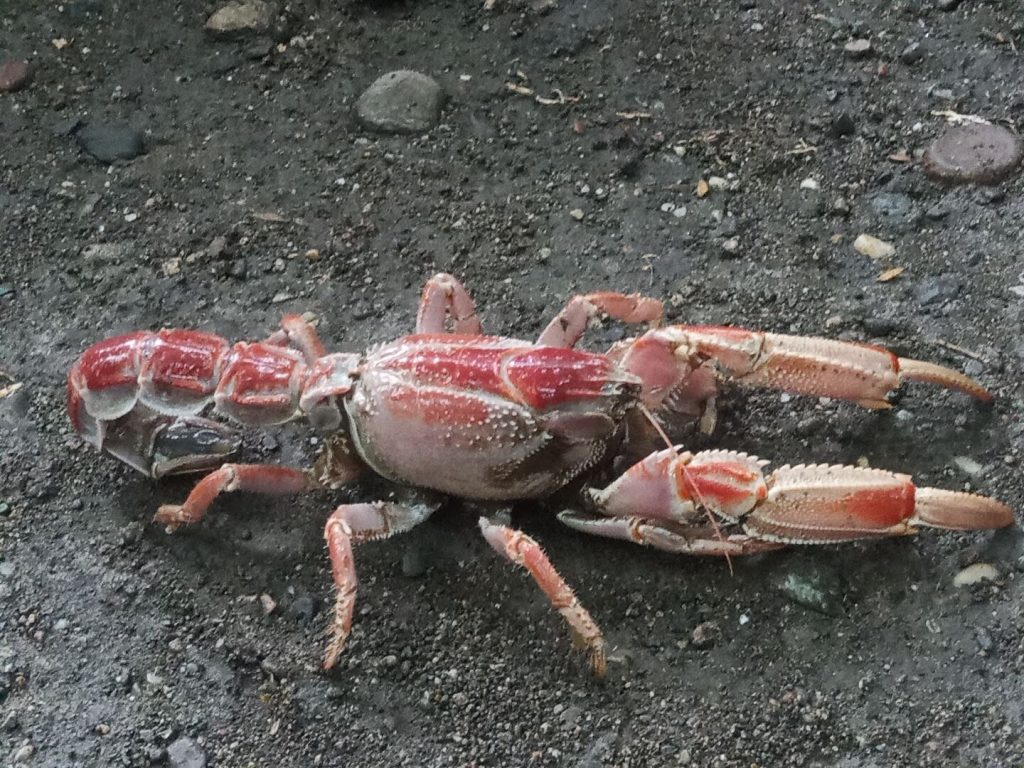
Photo Credit/s:
Dezhel Jane S. Maubol, 2024
Mappers:
Edison N. Biadora, Jr., Dezhel Jane S. Maubol
Tags:
Antique Philippines, Berried Female Release, Brown Lobster, Climate Change Impact, Community Conservation, Dionela, Fish Market Commodity, Fishpond Dike Damage, Greenish Lobster, Habitat Loss, Jinalinan, Juvenile Protection, Local Seafood, Mangrove Ecosystem, Mangrove Swamp, Mud Lobster, Native Crustacean, Nipa Habitat, No Formal Protection, Nutrient Recycling, Pandan, Small-Scale Livelihood, Soil Aeration, Spiny Lobster, Sustainable Use, Traditional Practices, Unregulated Harvesting, Uson, Volcano-Shaped Burrows, Western Visayas
Want to know more?
Inquire about this specific heritage by filling up the form below.
We will get back to you with an answer as soon as we can.