The Tibod of the Alabado family is a traditional earthen jar claimed to be over 100 years old. Made from a mixture of clay soil and bricks found in mountainous areas, it is mainly used for storing salt as well as other food items. It is durable and has been passed down through generations, with the current owner, Fructoso C. Alabado, inheriting it from his father. According to family tradition, the tibod must always be kept full of salt to ensure good fortune, a practice the owner follows diligently. It also holds both historical and socioeconomic significance, having been essential for households of the past. It is common for neighbors to borrow the tibod for salt, and it is linked to good luck for local businesses, especially for the restaurant run by the family. Despite minor damages, the tibod remains an important cultural artifact, representing a piece of local history and survival during times of war.
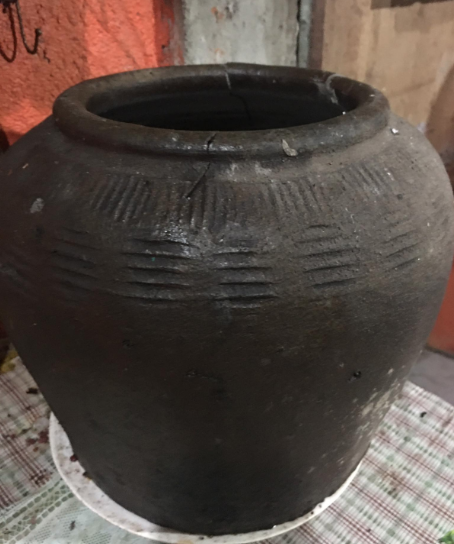
Photo Credit/s:
Christine V. Alabado, 2021
Mappers:
CHRISTINE V. ALABADO, Culasi Central School,,EARL A. LIGTAS, Northern Antique Vocational School,,NOVIE GRACE A. LASTIMADO, Northern Antique Vocational School,,MILROSE E. MAGDAUG, Culasi Central School
Tags:
Alabado family, borrowing salt, bricks, chips, clay soil, cultural artifact, cultural significance, durable, family inheritance, food items, Fructoso C. Alabado, good fortune, local businesses, local history, mountainous areas, over 100 years old, passed down through generations, restaurant, salt storage, , socioeconomic significance, storing salt, survival through war, Tibod, traditional earthen jar
Want to know more?
Inquire about this specific heritage by filling up the form below.
We will get back to you with an answer as soon as we can.