Pinindang is a traditional method of preserving humoy-humoy or juvenile achovies practiced in Cualsi, Antique. The practice is seasonal, typically from December to January when anchovy catch is abundant. The process involves washing the fish, drying it under the sun, and shaping into thin, flat pieces. The result is a popular local delicacy and is said to be a common pasalubong for guests, helping the local economy. However the practice faces challenges, particularly the dwindling availability of anchovies. Still, the practice continues being passed down to the younger generation through informal learning by assisting their parents, ensuring the safeguard of this tradition.
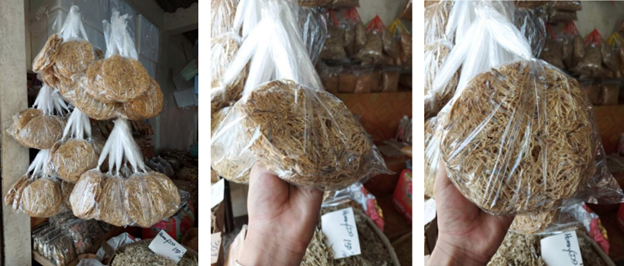
Photo Credit/s:
Earl A. Ligtas, 11/29/2021
Mappers:
EARL A. LIGTAS, Northern Antique Vocational School,,NOVIE GRACE A. LASTIMADO, Northern Antique,Vocational School,,CHRISTINE V. ALABADO, Culasi Central School,,MILROSE E. MAGDAUG, Culasi Central School
Tags:
anchovy catch season, community-based fish preservation, Culasi Antique, December to January fishing, , dwindling fish populations, Filipino culinary heritage, Filipino family food traditions, Filipino food traditions, Filipino pasalubong, Filipino rural livelihood, , fish preservation techniques, fish spoilage prevention, generational knowledge transfer, humoy-humoy anchovies, juvenile anchovies, local delicacy production, local economy through fish preservation, local fish delicacy, Pinindang, preserving local food traditions, seasonal fish preservation, Stolephorus commersonii, , sustainable fishing practices, teaching fish preservation informally, traditional Filipino fish preservation
Want to know more?
Inquire about this specific heritage by filling up the form below.
We will get back to you with an answer as soon as we can.