Panginhas, or the traditional gathering of shellfish during low tide, is a practice on Sicogon Island rooted in generations of sustainable marine harvesting. It reflects the islanders’ deep bond with the sea, relying on tidal rhythms and eco-friendly techniques like hand-picking from reef flats and tidal pools. This communal activity fosters cooperation, strengthens social ties, and reinforces shared responsibility for marine conservation. Passed down through oral tradition and hands-on learning, panginhas helps preserve local knowledge and cultural identity. Despite its continuity, the practice faces threats from overharvesting, habitat destruction, and harmful methods like using fish poison. To protect this heritage, the community promotes non-formal education and sustainable collection practices to maintain ecological balance.
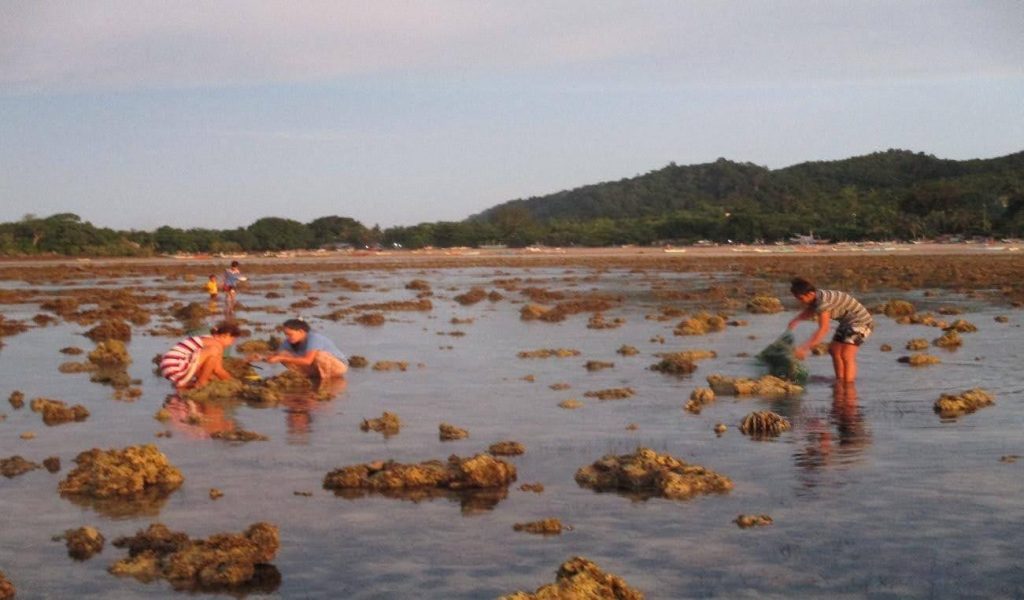
Photo Credit/s:
Angel Rose Deocampo, 2024
Mappers:
Angel Rose C. Deocampo
Tags:
communal activity, community responsibility, Cultural Identity, eco-friendly techniques, ecological balance, fish poison impact, Habitat Destruction, local knowledge preservation, marine conservation, marine heritage, non-formal education, Oral Tradition, overharvesting threats, Panginhas, Philippine coastal culture, reef flats, shellfish gathering, Sicogon Island, , sustainable harvesting, Sustainable Practices, Tidal Pools, tidal rhythms, traditional fishing practice
Want to know more?
Inquire about this specific heritage by filling up the form below.
We will get back to you with an answer as soon as we can.