Pangbobo, the traditional craft of making fish traps called “bobo,” is practiced in coastal areas of Concepcion, Iloilo, especially in Brgy. Lo-ong. These traps, made from bamboo, PVC netting, and hose materials, are designed to capture fish effectively and are central to the livelihood of local fisherfolk. The skill is informally passed down from elders to younger generations through hands-on learning. Beyond providing food, pangbobo carries historical and cultural value, reflecting indigenous knowledge of marine life and sustainable fishing. It also plays a vital socioeconomic role, offering employment to artisans who build and maintain the traps. However, challenges such as natural disasters and theft threaten the practice, although it continues to be safeguarded through non-formal education.
Location/s:
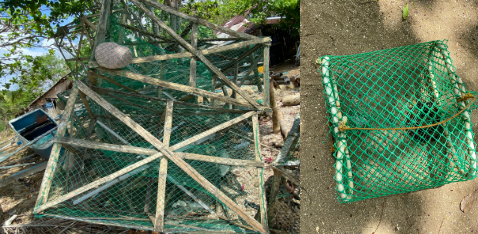
Photo Credit/s:
Kathryn Dian Del Rosario, 2024
Mappers:
Kathryn, Dian Del Rosario, Van Lloyd Cudilla
Tags:
artisan employment, bamboo craftsmanship, bobo traps, Brgy. Lo-ong, coastal community skills, Concepcion Iloilo, craft preservation, Cultural Heritage, fish trap craft, hands-on learning, historical fishing practices, Indigenous Knowledge, local fisherfolk livelihood, marine life understanding, natural disaster impact, non-formal education, Pangbobo, Philippine fishing culture, PVC netting, socioeconomic role, Sustainable Fishing, theft challenges, traditional fishing tools
Want to know more?
Inquire about this specific heritage by filling up the form below.
We will get back to you with an answer as soon as we can.