Pamuldos is a traditional method of catching semilya (bangus fry) practiced in coastal barangays of Patnongon, Antique. Local fishermen use fine mesh and constructed bamboo seine called buldos to catch the fry, and this practice is usually done between March to June and September to December, seasons when the fry is abundant. Pamuldos is passed down through generations by hands-on practice and observation, and it provides an income that helps families, especially for education costs. Beyond serving as a livelihood for the community, this fosters community interaction as families gather around the net and share time together while fishing. However, the practice faces various challenges ranging from storms, flooding, and even environmental issues like plastic pollution, which can damage the equipment and affect the abundance of the catch.
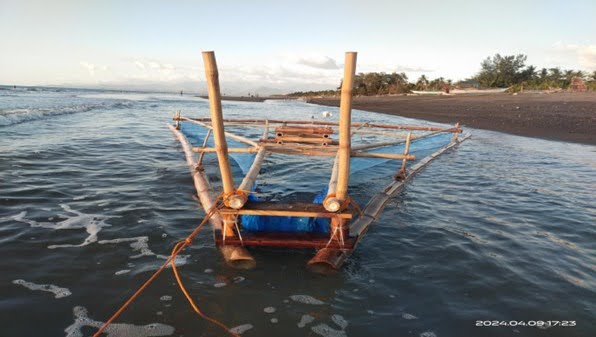
Photo Credit/s:
Minayo, 2024
Mappers:
PATRICK DOMINIC S. MINAYO
Tags:
bamboo seine fishing, bangus fry fishing, buldos fishing net, , coastal fishing traditions, community interaction in fishing, community-based fishing, cultural preservation in fishing, education funding through fishing, environmental challenges in fishing, Filipino coastal communities, Filipino fry fishing, Filipino livelihood through fishing, fishing as family activity, fishing during storms, fishing equipment damage, flood impact on fishing, generational fishing knowledge, hands-on fishing practices, local fishing economy, Pamuldos, Patnongon Antique fishing, plastic pollution in fishing, seasonal fishing practices, semilya catching, sustainable fishing practices, traditional fishing methods
Want to know more?
Inquire about this specific heritage by filling up the form below.
We will get back to you with an answer as soon as we can.