Pag-patandok is a traditional healing practice observed in Barangay Delima, Belison, and other rural communities of Antique. This practice employs animal horns, typically from goats, deer, or cows, to extract perceived toxins, even rabies, from a person’s bloodstream. The process begins by creating a small hole near the tip of the horn. The horn is then applied to the patient’s skin near the site of a bite, in conjunction with kabulay, a black, honey-like substance produced by the libog insect. This substance is believed to aid in separating poison or rabies from the blood. The practitioner then sucks air through the hole to create a vacuum, drawing out the darkened blood. The procedure is repeated until the extracted blood appears clear. Following treatment, patients are traditionally advised to avoid exposure to cold environments, contact with cold water, and consumption of cold beverages. The practice is typically passed down through familial apprenticeship, maintaining its continuity within rural communities. Despite being less accepted in urban settings due to the absence of scientific validation, patandok holds cultural significance and remains to be an accessible healthcare option in upland and rural areas.
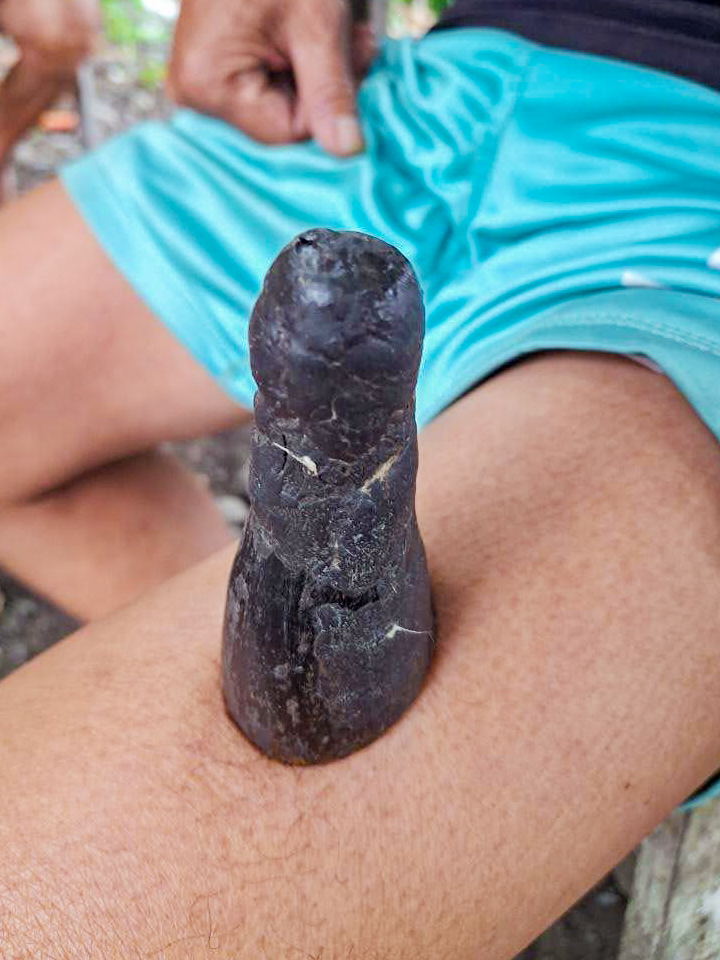
Photo Credit/s:
Ikoy Rubido - 2024
Mappers:
Samuel Cezar N. Rubido Jr. - 2024
Tags:
alternative healthcare in rural areas, ancestral healing techniques, animal horn healing, , cow horn healing, cultural healthcare practices, cultural significance of patandok, deer horn healing, familial apprenticeship in healing, Filipino alternative medicine, Filipino folk remedies, Filipino rural health practices, folklore medicine in Antique, goat horn therapy, kabulay substance, libog insect in healing, Pag-patandok, rabies treatment folklore, rural community health, rural healing traditions, therapeutic bloodletting practices, toxin extraction practices, traditional Filipino healing practices, traditional Filipino medicine, traditional healthcare practices, upland healing traditions, vacuum blood extraction
Want to know more?
Inquire about this specific heritage by filling up the form below.
We will get back to you with an answer as soon as we can.