The Dinagsa Festival is a vibrant annual celebration held every January in Cadiz City, Negros Occidental, honoring Señor Sto. Niño as a way of giving thanks and fostering community unity. It began in 1972 after the supposed appearance of the Sto. Niño image on the city’s shores and was later renamed “Dinagsa” in 2002 after whales were seen landing on the coastline, which locals saw as a sign of blessing. A key feature of the festival is “Lamhitanay sa Dalan”, where people smear each other with water-based paint in a joyful display of togetherness, along with tribal dances, fluvial parades, and religious activities. The event is deeply rooted in faith, culture, and local history, drawing locals and tourists who take part in performances, masses, and community events. While the festival brings economic growth and boosts tourism, it faces issues such as rising costs, overcrowding, commercialization, safety concerns, and environmental impact. To protect its legacy, local efforts focus on documentation, education, cultural preservation, and responsible promotion to keep the celebration authentic and meaningful for future generations.
Domain:
Location/s:
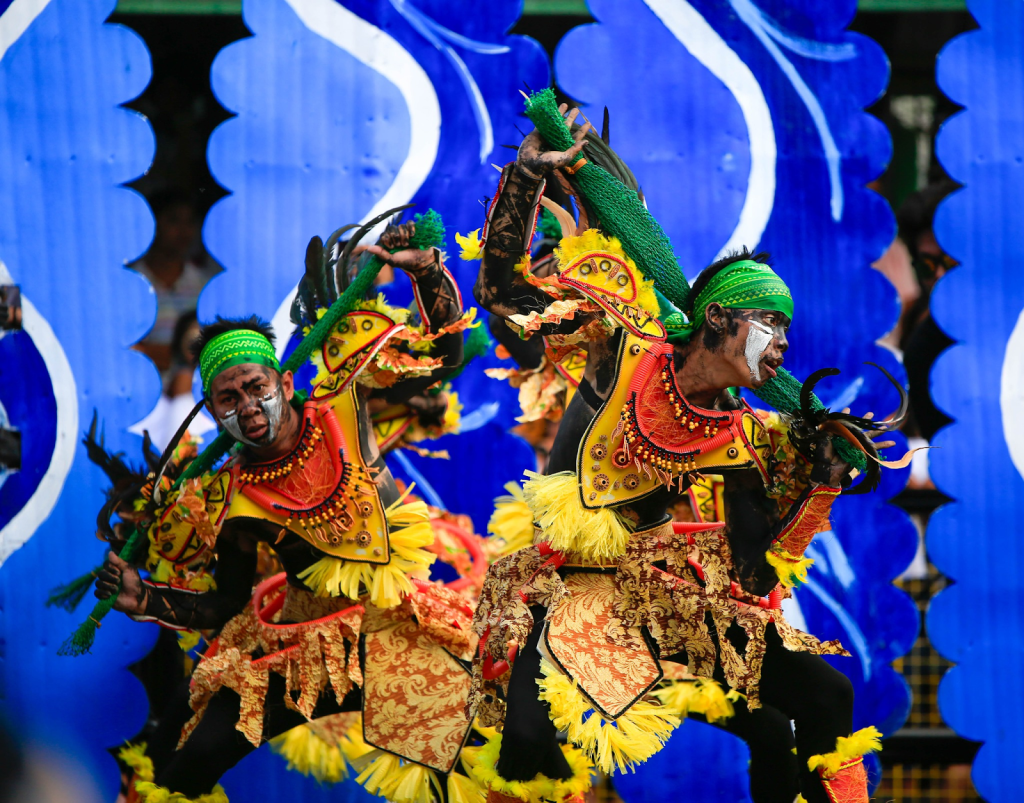
Photo Credit/s:
Bilis Cadiz (2024)
Mappers:
Eliezer M. Palandanga,
Tags:
authentic Filipino festivals, Cadiz City celebration, cultural heritage festivals, cultural preservation Dinagsa, Dinagsa community unity, Dinagsa Festival, Dinagsa water paint tradition, environmental impact festivals, festival commercialization challenges, festival economic impact, festival overcrowding issues, festival safety concerns, Filipino festival tourism, fluvial parades Negros Occidental, January festivals Philippines, Lamhtanay sa Dalan, local festival education, religious festivals Philippines, Señor Sto. Niño festival, tribal dances Dinagsa
Want to know more?
Inquire about this specific heritage by filling up the form below.
We will get back to you with an answer as soon as we can.