Apo-apo is a tradition that honors deceased elders by having participants, dressed in ghostly representations of their ancestors, visit homes on November 1st, asking for food offerings. They chant “Apo” (grandchild) followed by “Ngayo kami bisan ano” (Can you give us anything to eat?) in a ghostly tone, embodying their ancestors’ spirits. Food offerings typically include Filipino rice-based desserts, which are then divided among the participants. While the tradition has evolved, with influences from the modern “trick or treat” practice, with children now dressing as monsters and chanting in a rhythmic tone, the essence remains intact, with children still placing candles in the houses that they visit and recite the prayer “Amay Namon” (Our Father) before chanting “Apo-apo ngayu kami bisan ano” (Grandchild, can you give us anything?). It is practiced across various barangays in Belison and other municipalities in Antique and is similar to the “Pangalag” (souling) tradition in other parts of the Philippines. The tradition is passed down informally, with children learning through observation and participation. Despite its longevity, apo-apo has seen minor changes, such as the incorporation of prayers and a blend of modern and traditional elements.
Domain:
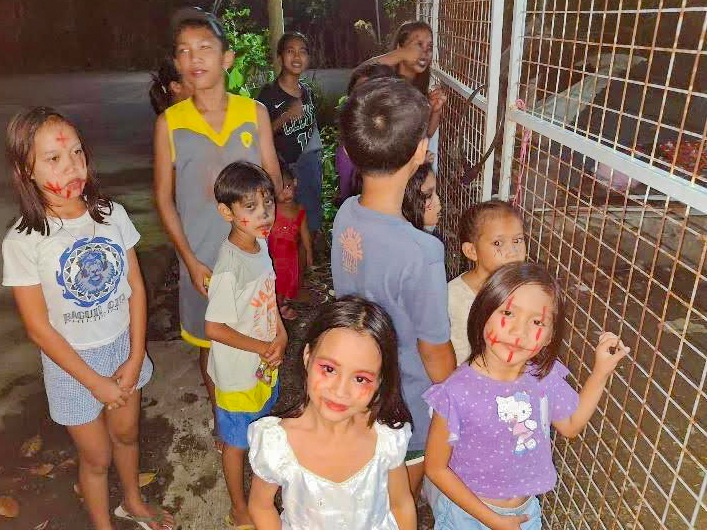
Photo Credit/s:
Samuel Rubido Jr., 2024
Mappers:
Samuel Cezar N. Rubido Jr.
Tags:
All Saints Day Philippines, Antique Philippines cultural traditions, Antique province customs, Antique town celebration, apo-apo Halloween, apo-apo tradition, , ethnographic Philippines, Filipino ancestor veneration, Filipino ancestral rituals, Filipino candle rituals, Filipino ghost traditions, Filipino heritage practices, Filipino kids traditions, folk Catholicism in the Philippines, ghost costume tradition, hybridized folk practices, indigenous Filipino rituals, kid-friendly traditions, local Halloween version, November 1st Filipino customs, Pangalag tradition. informal cultural transmission, rice-based Filipino desserts, ritual food offerings, souling tradition Philippines, spooky Filipino customs, sweet rice treats tradition, Trick or treat Filipino version
Want to know more?
Inquire about this specific heritage by filling up the form below.
We will get back to you with an answer as soon as we can.