Panag-a is a traditional fishing method in Hinigaran that involves draining freshwater ponds or streams and catching fish with bare hands, a practice especially common in the inland “ilaya” areas. It is a communal activity passed down through generations, teaching not only the physical technique but also a deep respect for nature and fish behavior. Historically, this method was essential for survival, serving as a source of food and bonding within rural communities. Although modern fishing has become more common, some residents still practice panag-a, especially during farming off-seasons, and pass it on to their children. However, panag-a faces challenges such as water pollution, ecosystem decline, and a shift in interest among youth, though local efforts are ongoing to preserve and promote it.
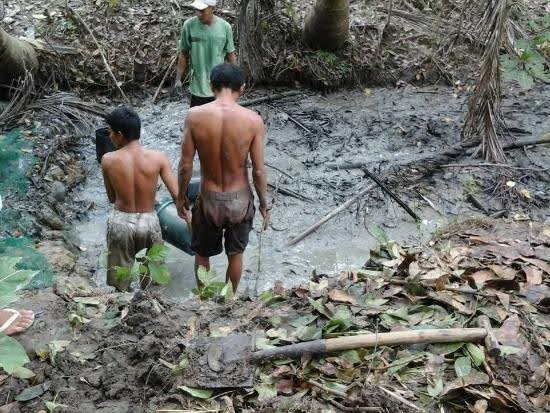
Photo Credit/s:
Cezar Moyong, 2025
Mappers:
Celito V. Moyong
Tags:
communal fishing practices Philippines, ecological fishing practices, Filipino fishing customs, , fishing and community bonding, freshwater fishing rituals, hand fishing freshwater, Hinigaran cultural practices, ilaya fishing traditions, indigenous fishing methods Philippines, inland fishing methods, local fishing conservation efforts, Panag-a fishing method, preserving traditional fishing, rural fishing heritage, sustainable fishing techniques, traditional fishing Hinigaran, traditional food gathering Philippines, youth engagement fishing
Want to know more?
Inquire about this specific heritage by filling up the form below.
We will get back to you with an answer as soon as we can.