Pamuhag is a traditional way of harvesting honey by local residents in the upland barangays of the municipality of Barbaza, Antique. Harvest typically occurs during the dry season, from May to July, when trees bloom, and honey bees build their hives. The process involves smoking the bees out of their hives, climbing trees to access them, and extracting the honey using clean hands and a strainer. The knowledge of this practice has been passed down through generations, however younger generations are becoming less familiar with it. Honey collected through pamuhag is not only a valued local food source but also a vital source of income for the community. Despite its significance, the practice faces challenges, such as deforestation and pesticide use, which endanger both bee populations and the tradition itself.
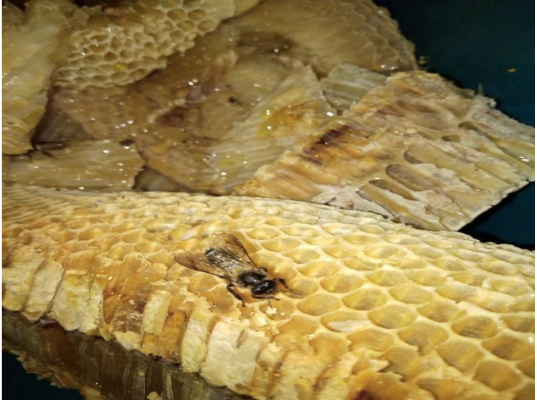
Photo Credit/s:
Barbaza Cultural Mappers, 2021
Mappers:
ANTONIO Y. ALABADO – Barbaza National High School,,JENNIFER E. COLOMER – Barbaza Central School,,MARY ANN M. GENOVATA – Barbaza Central School,,MELANY S. TENALES – Barbaza Central School
Tags:
, community-based honey harvesting, cultural food practices in Antique, deforestation impact on beekeeping, dry season honey harvest, environmental challenges in honey harvesting, Filipino beekeeping practices, Filipino rural community traditions, Filipino rural livelihood, generational knowledge transfer, honey as income source, honey bee conservation, honey bee hives, honey harvesting rituals, local honey production, loss of traditional skills, Pamuhag, pesticide effects on bee populations, preserving traditional practices, smoking bees out of hives, sustainable honey harvesting, traditional Filipino honey harvesting, traditional food sources, tree climbing for honey,
Want to know more?
Inquire about this specific heritage by filling up the form below.
We will get back to you with an answer as soon as we can.