Tigbaw, also known as wild sugarcane or talahib, is a tall native grass commonly found along riverbanks like the Sibalom River in Tigbauan, Iloilo. It has long, green leaves with serrated edges and white, silky flower plumes. The town of Tigbauan got its name from this plant through a misunderstood conversation between a local and a visitor, showing how deeply tied the plant is to the area’s identity. Tigbaw is also valued for its beauty, often used in decorations and adding charm to riverbanks, especially with upcoming esplanade projects. Although it’s not endangered, Tigbaw faces threats from urbanization, fire, and drought, and currently, no formal conservation measures are in place.
Domain:
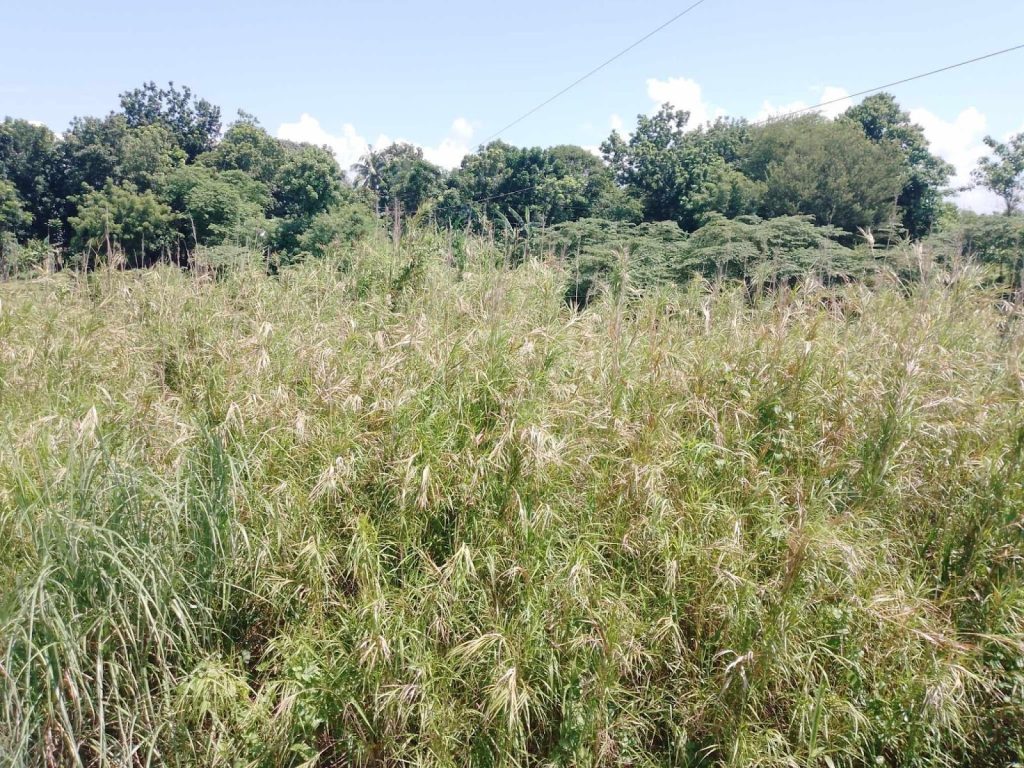
Photo Credit/s:
Atchmen Sotto Jr., 2024
Mappers:
Atchmen Sotto Jr.
Tags:
native flora Tigbauan, native grasses Iloilo, native plants Sibalom River, ornamental grasses Philippines, Philippine native grasses, riverbank beautification Iloilo, Sibalom River vegetation, thatching with Tigbaw, Tigbauan Iloilo origin, Tigbauan name origin, Tigbaw and urbanization, Tigbaw cultural significance, Tigbaw drought threat, Tigbaw environmental threats, Tigbaw esplanade projects, Tigbaw fire risk, Tigbaw flower plumes, Tigbaw habitat loss, Tigbaw in local folklore, Tigbaw no conservation, Tigbaw paper-making, Tigbaw plant Iloilo, Tigbaw plant uses, Tigbaw riverbank plant, Tigbaw silage source, Tigbaw traditional medicine, Tigbaw weaving material, traditional uses of wild sugarcane, wild sugarcane conservation, wild sugarcane Philippines
Want to know more?
Inquire about this specific heritage by filling up the form below.
We will get back to you with an answer as soon as we can.