Kalampay, also known as talangka or river crab, is a small native crab found in muddy riverbanks and coastal areas, especially in Barangay Guintas, Barotac Nuevo. It has a square-shaped shell, dark green or brown color, and large claws used for feeding and defense, with the female’s abdomen used to carry eggs. Kalampay is caught year-round and is commonly gathered at night by hand using a traditional method called panulo. Though smaller than other crabs, it is a popular, affordable food in the community and is often sold cooked or fried whole as crablets. Catching kalampay is part of local tradition and supports the livelihood of many residents, particularly through the efforts of the Fisherfolk Association. While not endangered, kalampay faces threats from habitat loss, pollution, and climate change, but protective measures like marine sanctuaries and local ordinances help support its conservation.
Domain:
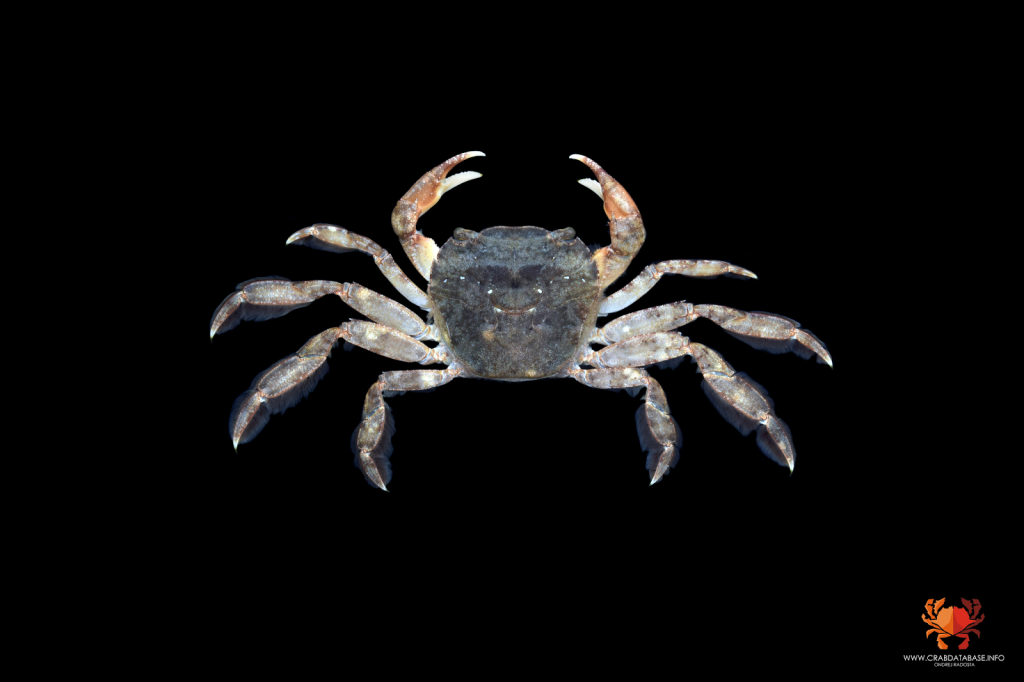
Photo Credit/s:
https://www.inaturalist.org/taxa/371160-Varuna-litterata
Mappers:
Chera May Batisla-ong
Tags:
affordable seafood Philippines, , climate change impact on crabs, crab conservation Philippines, crab fishing livelihood, crablets, , crabs in coastal areas, crabs in estuaries, crabs in muddy riverbanks, Filipino river crab, , Kalampay, local crab species, , panulo crab catching, river crab, small native crab, talangka, traditional crab harvesting, Varuna literata
Want to know more?
Inquire about this specific heritage by filling up the form below.
We will get back to you with an answer as soon as we can.