The awis, or tibo-tibo, is a native brackish-water snail found in Ilaures, Bugasong, especially in muddy riverbanks called gibungan and coconut groves known as kaalu-an. It has a glossy black shell and appears mostly during the rainy season, when locals say it is nagabaras (as many as sand). Traditionally eaten as food and used in folk medicine, awis is cooked simply by boiling after removing the tail tip. In 2014, the Awisan Festival was established to celebrate the snail with contests and dances inspired by it. Despite habitat loss and pollution, community cleanups and the festival help protect awis and its cultural importance.
Domain:
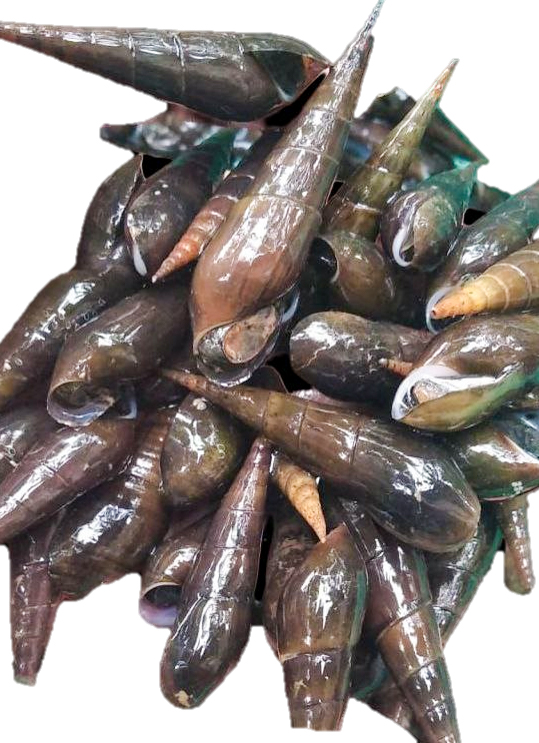
Photo Credit/s:
Jefferson Sillario, 2024
Mappers:
Jefferson D. Sillario, John Paul A. Imbang
Tags:
Antique Philippines, Awis, Awisan Festival, Biodiversity Protection, Boiled Snail, Brackish-Water Snail, Bugasong, Coconut Grove Habitat, Community Cleanup, Community Tradition, Cultural Celebration, Cultural Heritage, Eco-Friendly Practices, Festival Dances, Folk Medicine, Gibungan, Glossy Black Shell, Habitat Loss, Ilaures, Indigenous Knowledge, Kaalu-an, Local Contests, Muddy Riverbanks, , Native Species, Rainy Season Species, River Pollution, Rural Livelihood, Species Conservation, Tibo-Tibo, Traditional Food, Western Visayas
Want to know more?
Inquire about this specific heritage by filling up the form below.
We will get back to you with an answer as soon as we can.